Against the backdrop of rapid evolution and upgrading in the global high-end manufacturing sector, the entire industry is shifting toward an irreversible trend of specialized segmentation and precision customization. Cutting-edge sectors including semiconductor chip manufacturing, new energy lithium battery and photovoltaic production, biomedicine, precision electronics, and LCD panel processing show drastically differentiated and highly stringent requirements for key parameters of oven equipment, such as temperature control accuracy, cleanliness, vacuum degree, and operational safety. Customization and scenario-specific precision have become the core competitive demands driving the global industrial oven market forward. Relevant industry research data reveals that the combined demand for professional thermal processing ovens in the semiconductor and new energy sectors alone accounts for more than 60% of the total market share, and traditional single-parameter general-purpose ovens are completely unable to meet the diverse, multi-process, and high-standard application needs of modern refined industrial production.
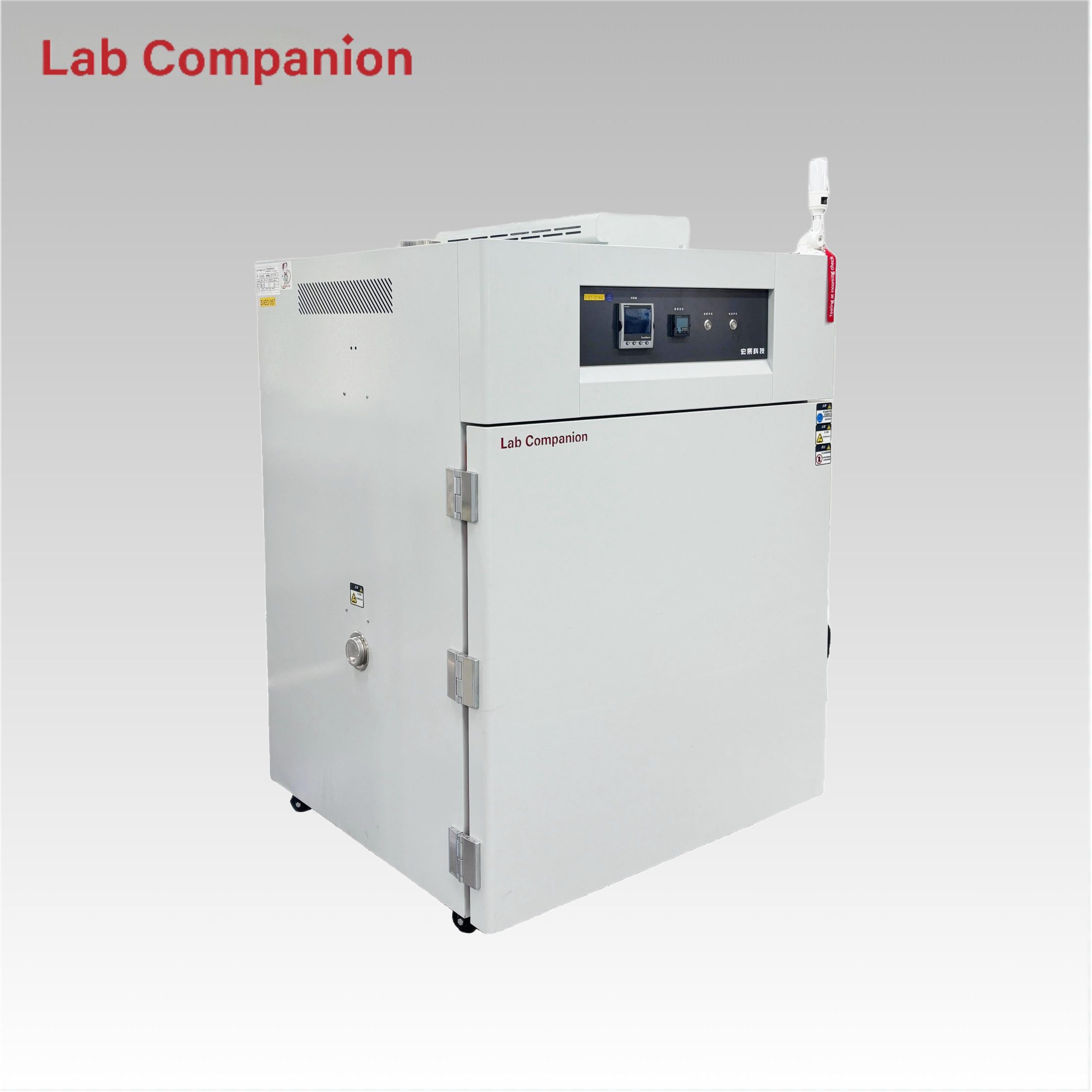
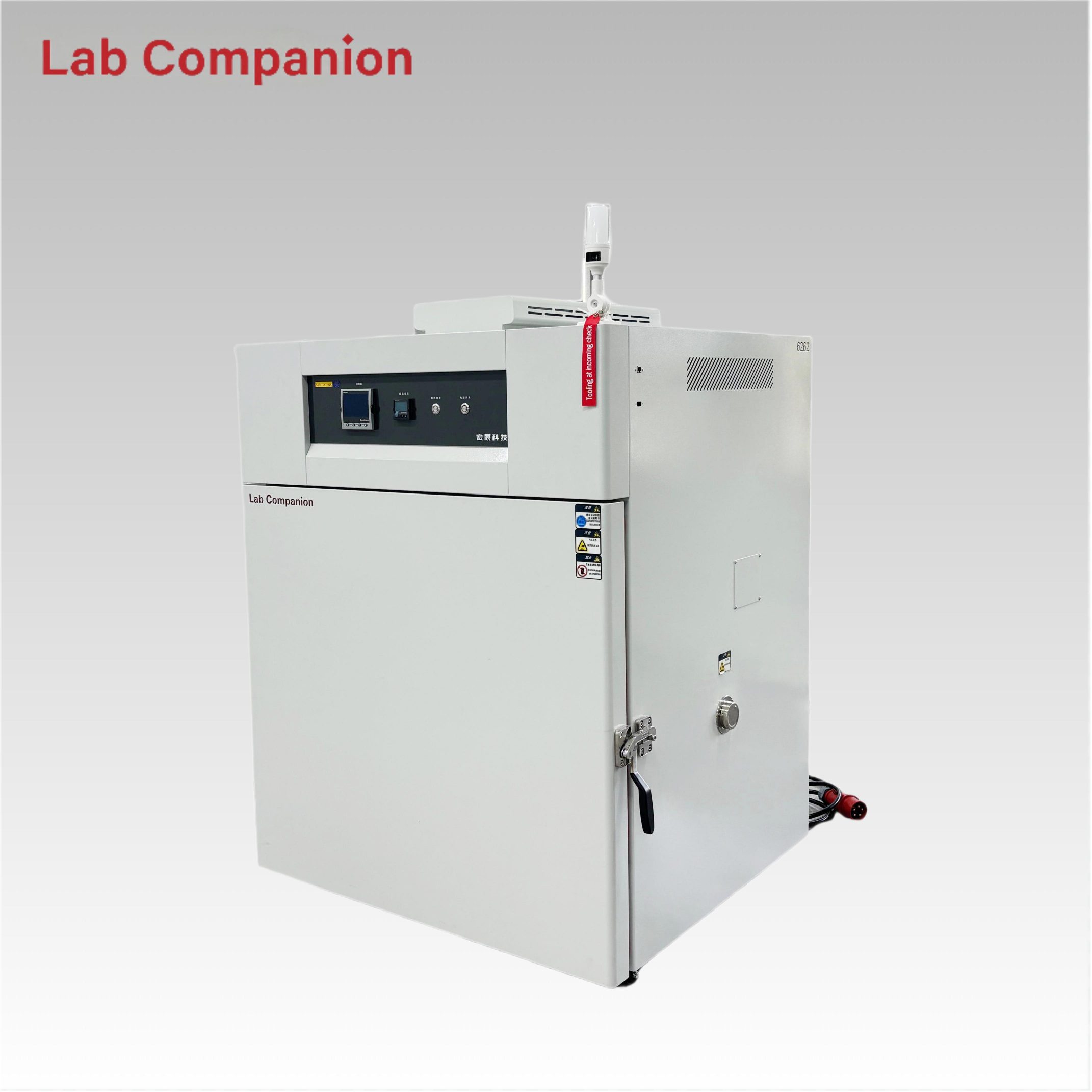
With decades of deep cultivation and technical accumulation in the global thermal processing equipment field, Lab Companion has built a comprehensive and systematic product matrix, as well as industry-leading precise parameter matching and customization capabilities. The brand perfectly aligns with the global trend of refined industrial scenario development, focusing on solving targeted pain points in thermal processing for different industries, and delivering highly adaptable, reliable, and efficient full-process thermal treatment solutions to customers in high-end manufacturing fields worldwide.
I. Scenario Segmentation: The Core Logic of Oven Classification
Oven classification is never based on superficial indicators such as appearance size or volume, but is fundamentally rooted in actual application scenarios and specific process production requirements — these two dimensions form the core logic of scientific oven categorization. Any classification standard that is detached from real production and application scenarios lacks practical guiding significance, and cannot help enterprises select the most suitable equipment or maximize production efficiency.
As global high-end manufacturing continues to refine and upgrade, the classification boundaries of industrial and laboratory ovens have become increasingly clear and standardized. After long-term market validation and industry optimization, ovens are mainly divided into four core categories, each designed for exclusive application scenarios and process targets:
• Basic General-Purpose Ovens
• Cleanroom Dust-Free Ovens
• Vacuum & Oxygen-Free Ovens
• Special-Function Ovens
Each of these four categories corresponds to clear and distinct application needs and process standards, a classification logic that is fully consistent with Lab Companion’s global product layout and R&D direction. Its full range of ovens precisely covers all these four major categories, seamlessly supporting all scenarios from small-batch laboratory research and development, sample testing, and pilot experiments to large-scale industrial mass production, fully covering the entire industrial chain of thermal processing.
II. Basic Scenarios: Adaptation Priorities for Laboratory & Industrial General Models
1. Laboratory Scenarios
Laboratory applications focus on small-batch sample processing, high-precision experimental data, and flexible multi-scenario testing, serving universities, scientific research institutes, corporate R&D centers, and third-party testing institutions. The core requirements for laboratory ovens include user-friendly operation, stable and precise temperature control, strong compatibility with various sample types, and no interference with experimental results.
Lab Companion laboratory ovens feature:
• Temperature range: RT ~ 300°C
• Temperature accuracy: ±0.5°C
• Temperature uniformity: ≤ 2°C
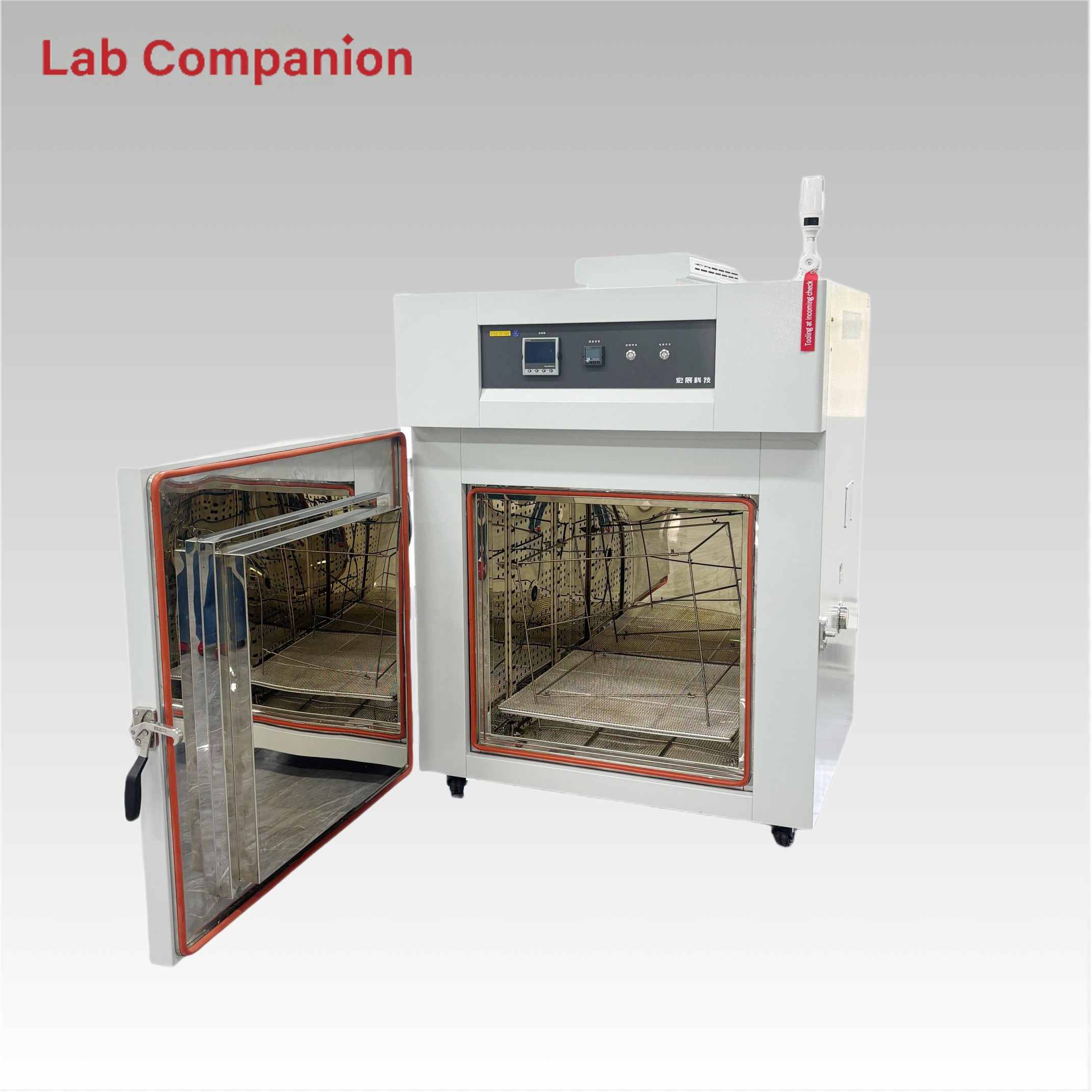
• SUS304 stainless steel interior
• Dual-air duct forced circulation for uniform heating
• Multi-program preset storage
With these professional configurations and stable performance, Lab Companion laboratory ovens are highly recognized in the global scientific research field, and are widely used for routine and precision experiments including sample drying, material curing, high-temperature sterilization, aging testing, and thermal stability analysis in universities and research institutes.
2. Industrial General Scenarios
Industrial general production scenarios prioritize high throughput production efficiency, long-term stable continuous operation, and low maintenance costs, as industrial production lines require equipment to withstand high-intensity daily use and maintain consistent performance without frequent downtime.
Lab Companion industrial ovens adopt:
• PID + solid-state relay temperature control
• Adjustable variable-frequency heating power
• Thickened stainless steel chamber
• 24-hour continuous operation capability
• Optional double front/rear doors and pipeline integration
These targeted industrial designs make Lab Companion industrial ovens perfectly suitable for enterprise pilot production lines and large-scale mass production lines, strongly supporting the current trend of large-scale, efficient, and automated industrial manufacturing, and helping enterprises improve overall production efficiency and product stability.
III. Special Working Conditions: Core Parameter Adaptation for Specialized Ovens
The rapid development and technological breakthrough of global high-end manufacturing have driven a sharp surge in demand for special working condition scenarios, where conventional ovens cannot meet the extreme performance requirements, and specialized customized ovens have become essential core equipment for these high-value industries.
1. Clean & Dust-Free Environments
Industries such as semiconductor wafer manufacturing, LCD flat panel production, biomedical consumables processing, and precision electronic component assembly require ultra-clean production environments to avoid product defects caused by micro-dust particles, with a mandatory Class 100 (ISO Class 5) clean level for core processing areas.
Lab Companion cleanroom and class-100 ovens provide:
• Imported HEPA filters with 99.99% efficiency @ 0.3μm
• Argon-welded, dust-free construction
• Mirror-finish SUS304 stainless steel interior
• Temperature range: RT+20 ~ 300°C
• Temperature accuracy: ±0.1°C
These professional clean oven configurations effectively eliminate dust contamination risks and ensure zero impurity interference during thermal processing, making them ideal for high-precision processes such as semiconductor silicon wafer baking, photoresist curing, biomedical material sterilization, and precision electronic component drying.
2. Explosion-Proof & Flammable Applications
For the processing of flammable and explosive raw materials and semi-finished products in chemical engineering, new energy battery material production, coating manufacturing, and adhesive curing industries, operational safety is the top priority. Lab Companion explosion-proof safety ovens comply strictly with the national standard GB/T 32710.10-2016 for explosion-proof equipment, equipped with professional explosion-proof electrical components, standardized pressure relief vents, and multi-layer safety interlock protection systems, which can effectively monitor and eliminate potential safety hazards in real time, ensuring safe and stable operation even when handling high-risk materials.
3. Vacuum & Oxygen-Sensitive Processes
For oxidation-prone materials such as metal powder, precision alloy parts, sensitive electronic components, and lithium battery core materials, direct heating in an aerobic environment will cause oxidation, discoloration, and performance degradation, seriously affecting product qualification rate. Lab Companion vacuum ovens achieve an ultra-high vacuum level ≤ 5 Pa with excellent sealing performance, while dedicated oxygen-free ovens can reduce the internal oxygen content to below 50 ppm within just 30 minutes, creating a completely oxygen-isolated thermal processing environment and reliably solving the long-standing industry problem of material oxidation during heating.
IV. Key Selection Principles: Scenario-Oriented Core Considerations
Under the global trend of scenario refinement in manufacturing, oven equipment selection should always prioritize accurate matching between core parameters and actual scenario needs, rather than blindly pursuing high-end configurations or excessive parameter indicators that lead to unnecessary cost waste and equipment underutilization.
With profound industry insight and in-depth understanding of segmented scenario pain points across global high-end manufacturing, Lab Companion integrates precise parameter adaptation with flexible personalized customization services, completely breaking the limitations of the traditional "one-size-fits-all" equipment model. Whether customers need small precision desktop ovens for laboratories, large-scale vertical or horizontal ovens for industrial mass production, or specialized units for extreme special working conditions, Lab Companion provides fully tailored solutions by flexibly adjusting core parameters such as temperature range, internal chamber volume, cleanliness level, vacuum degree, temperature control mode, and external dimensions according to specific customer process requirements, establishing itself as a trusted and preferred brand in the segmented global high-end manufacturing thermal processing market.
With the same raw materials and similar heating processes, why do your competitors maintain a drying pass rate of over 98% while your batch defect rate remains stubbornly high, with your pass rate dropping below 70%? Why do your dried finished products frequently suffer from cracking, bubbling, deformation, oxidation and discoloration, leading to surging rework and material waste costs?
With 21 years of deep expertise in industrial oven manufacturing and serving more than 5,000 manufacturing enterprises worldwide, Lab Companion clearly states: 90% of drying process problems stem from incorrect oven selection! When choosing between a vacuum oven and a standard oven, the vast majority of engineers only judge by the single factor of "heating capability", completely ignoring core requirements such as material properties, process precision and production environment. This wrong equipment selection ultimately slows down production, lowers product quality and inflates overall operational costs.
This article draws on Lab Companion’s 21 years of industry practical experience and a vast number of customer implementation cases, to deeply dissect the core differences between vacuum ovens and standard ovens, clarify accurate selection logic, and help every process engineer and procurement professional avoid selection pitfalls and choose the right equipment in one step.
In-Depth Answers to Core Questions: Understand the Differences to Avoid Selection Mistakes
1. Vacuum Oven vs. Standard Oven: What Are the Essential Differences? What Are the Core Advantages of a Vacuum Oven?
Although both appear to be heating and drying equipment, standard ovens and vacuum ovens differ vastly in working principles and applicable scenarios — it is far more than just a matter of "having a vacuum function or not".
Standard Oven: Achieves heating, drying and curing through forced hot air circulation and convection, with air conduction as its core principle. It is an atmospheric pressure drying device, featuring simple structure, easy operation and low procurement cost. However, it has two inherent limitations: first, it is fully exposed to air and cannot isolate oxygen, making it impossible to prevent deterioration of heat-sensitive and oxidizable materials; second, hot air only acts on the material surface, failing to penetrate the interior of porous or complex-structured materials, resulting in incomplete drying and excessive residual moisture and solvents. It is only suitable for basic conventional drying scenarios and cannot meet high-precision, high-demand processes.
Lab Companion Vacuum Oven: Built around the core of hermetic vacuum environment + precise temperature-controlled drying, it completely breaks through the process limitations of standard ovens. Its core advantages and essential differences are concentrated in three key aspects:
1. Efficient Low-Temperature Drying, Protecting Heat-Sensitive Materials: The boiling point of materials is greatly reduced in a vacuum environment, enabling rapid dehydration without high temperatures. This perfectly avoids denaturation, aging and damage to heat-sensitive materials such as semiconductor chips, pharmaceutical raw materials, precision electronic components and lithium battery materials caused by high heat.
2. Air-Isolated Oxygen-Free Drying, Eliminating Oxidation Risks: The fully sealed vacuum environment blocks oxygen and external impurities, fundamentally preventing oxidation, discoloration, rust and corrosion of highly reactive metals, precision components and special polymer materials, significantly improving finished product stability and pass rate.
3. Deep Moisture and Solvent Removal, Eliminating Defective Products: The negative pressure environment can strongly extract residual moisture, gas and organic solvents from micro-pores and gaps inside materials, ensuring thorough drying. It directly solves persistent problems such as product cracking, bubbling, internal delamination and deformation caused by atmospheric drying, making it ideal for the strict drying requirements of high-value, high-precision products.
2. Accurate Selection Guide: When is a Vacuum Oven a Must? When is a Standard Oven Sufficient?
Core Principle for Selection: Do not blindly pursue high-end equipment; choosing the one that fits your process needs is the optimal solution. This approach avoids unnecessary costs while guaranteeing product quality. The scenarios are clearly categorized below for direct reference:
✅ 4 Scenarios Where a Vacuum Oven is Mandatory (Wrong Selection Will Definitely Cause Defects)
• High-value materials as core precision components: Such as semiconductor chips, lithium battery anode and cathode materials, precision electronic assemblies, aerospace parts and pharmaceutical intermediates, where zero oxidation, deformation or impurity contamination is allowed;
• Complex and porous product structures: Such as ceramic components, porous metals, precision molds and composite materials, where atmospheric hot air cannot penetrate the interior and leads to incomplete drying;
• Strict process precision requirements: Residual moisture ≤ 0.1%, or solvent recovery is required, or volatile gas pollution to the workshop must be avoided;
• Special process requirements: Scenarios requiring cross-contamination prevention between materials, oxidation reaction suppression, and oxygen-free drying.
✅ Standard Oven Offers Maximum Cost-Effectiveness for Conventional Scenarios
Lab Companion laboratory ovens and standard industrial ovens are suitable for drying, curing, aging and sterilization of ordinary plastics, hardware, glass and conventional consumables. For scenarios with no special requirements for drying precision, oxygen-free environment or ultra-low residue, they feature lower procurement and operation costs, simpler daily maintenance, and fully meet basic production needs.
3. Why Are Lab Companion Vacuum Ovens the Industry’s Top Choice, Recognized by Leading Enterprises?
Lab Companion vacuum oven series (popular models including DZF-6020/6050) are long-term stable suppliers to top global enterprises, passing strict quality and process verification. They outperform similar products thanks to three core hard-core advantages:
1. Ultra-Precise Temperature Control, Uniform Temperature Field Without Deviation: Equipped with original Japan Fuji temperature controllers and high-precision PT100 thermal resistance sensors, paired with a triple temperature control algorithm (PID + PWM + SSR). The temperature control accuracy reaches ±0.5℃, and temperature field uniformity is ≤3%, far exceeding national standard indicators. This ensures consistent drying effects for every batch of materials, eliminating issues of local over-drying or incomplete drying.
2. Stable Vacuum Performance, Zero Leakage Sealing: Adopts a multi-stage vacuum pump combination design, with an ultimate vacuum degree as low as ≤1Pa and vacuum pressure holding time exceeding 24 hours, delivering exceptional stability; the chamber adopts argon arc welding precision sealing technology with high-quality sealing parts, completely eliminating vacuum leakage risks and maintaining stable performance over long-term use.
3. Intelligent Operation + Dual Safety Protection: Configured with a 7-inch HD touch screen and PLC intelligent control system, supporting custom multi-segment programming settings and automatic operation data export, adapting to automated production needs; built with dual-stage over-temperature power-off protection and explosion-proof safety structure, providing comprehensive safety coverage for laboratory R&D and workshop mass production operations with zero worries.
4. Full Range of Lab Companion Vacuum Oven Models, Customization Available
Lab Companion has developed a full-spec vacuum oven product line for different usage scenarios, covering the entire production process:
• Laboratory Small-Size Models: Classic models such as DZF-6020 and DZF-6050, with a volume of 10L-100L, suitable for laboratory R&D and small-batch trial production;
• Industrial Large-Size Models: Volume ranging from 100L-1000L, with extra-large custom sizes available to meet the needs of industrial large-scale continuous production.
We also provide one-on-one exclusive customization services, tailoring dedicated drying solutions according to customers’ industry (lithium batteries, semiconductors, pharmaceuticals, aerospace, etc.), temperature requirements (room temperature - 500℃), vacuum degree standards, cleanliness levels and special process requirements, perfectly solving drying challenges in various special scenarios.
Selection Summary: Core Differences Lie in Process Compatibility, Right Equipment Reduces Costs and Boosts Efficiency
The core difference between a vacuum oven and a standard oven is not equipment configuration, but process compatibility and scenario adaptability. Standard ovens focus on basic drying with cost-effectiveness as the priority; vacuum ovens focus on high-precision, oxygen-free and deep drying, with quality as the priority.
The key to selection: Stick to your own material properties, process precision requirements and production standards, reject blind selection, to fundamentally solve problems of poor drying, excessive waste and soaring costs.
With 21 years of focus on oven R&D and manufacturing, Lab Companion has become the preferred drying equipment partner for thousands of enterprises worldwide, relying on mature technology, stable products and comprehensive customization services. Choose the right oven, avoid selection pitfalls, directly improve product pass rate, reduce production costs, and make every drying process precise and efficient.
As the global wave of Industry 4.0 continues to deepen, the high-end manufacturing industry is accelerating its transformation towards digitalization and intelligence. Intelligent equipment control and data traceability have become core market demands. According to industry trend data, the compound annual growth rate of the industrial intelligent equipment market exceeds 30%, and dust-free and oxygen-free ovens are evolving towards the direction of "intelligent operation, digital control, and remote operation & maintenance". As one of the top ten manufacturers of dust-free and oxygen-free ovens, Lab Companion has taken the lead in laying out intelligent technologies, integrating digital control into core product parameters, breaking the pain points of traditional equipment such as "manual operation and vague data", and providing enterprises with efficient and precise digital heat treatment solutions.
Market Trend: Intelligent Control Becomes the Core Competitiveness of Equipment
With the in-depth advancement of Industry 4.0, enterprises' demand for digital and refined control over the production process is growing day by day. Traditional dust-free and oxygen-free ovens rely on manual operation and parameter recording, which are plagued by cumbersome operations, untraceable data, and low control accuracy — these drawbacks can no longer meet the production requirements of high-end industries such as semiconductors and new energy. At present, all top ten manufacturers are increasing investment in intelligent technologies, and the intelligent parameters and data capabilities of equipment have become core considerations for enterprise selection, making intelligent control the mainstream development trend of the dust-free and oxygen-free oven industry.
Lab Companion: Core Parameter Upgrades for Full-Process Digital Control
Keeping pace with the Industry 4.0 trend, Lab Companion deeply integrates intelligent technologies with core parameters to develop dust-free and oxygen-free ovens with digital control capabilities, forming a differentiated advantage among the top ten manufacturers. In terms of intelligent operation, the equipment adopts a 10-inch Yudian touch screen combined with an AI/PID automatic calculation system, supporting 120 groups × 100 segments of programmable temperature control. It allows pre-setting of different process parameters to realize automatic heating, heat preservation and cooling, reducing manual operation errors and improving production efficiency; meanwhile, the equipment supports one-click saving and calling of parameters, facilitating production control for multiple processes and batches.
For data traceability, the oven can be equipped with an optional 6-point temperature recorder and oxygen content analyzer, which collects and records core parameters such as temperature and oxygen content in real time. All data is traceable and exportable, meeting enterprise production compliance requirements. With an optional RS485 communication port, the equipment can be connected to the enterprise's production management system, enabling remote monitoring and parameter adjustment without on-site duty, greatly reducing labor costs. In addition, the oven is equipped with a Siemens PLC main controller for stable operation, featuring automatic fault alarm and sensor disconnection protection to further enhance intelligent control level. Paired with a PT100 thermal resistance sensor, it achieves a temperature data collection accuracy of ±0.1℃, ensuring precise and reliable data.
Leading with Intelligence: Empowering Efficient Enterprise Production Through Digitalization
The intelligent parameters of Lab Companion are centered on "practicality and digitalization", fitting the actual production needs of enterprises. Unlike some products among the top ten manufacturers with "superficial intelligence", Lab Companion truly realizes "intelligent operation, digital control, and convenient operation & maintenance". At present, Lab Companion intelligent dust-free and oxygen-free ovens are widely used in high-end fields such as semiconductors and new energy, helping enterprises achieve digital control of the production process, improve production efficiency and product yield.
In the future, Lab Companion will continue to focus on intelligent technologies, optimize intelligent parameter configuration in line with Industry 4.0 development trends, promote the development of dust-free and oxygen-free ovens towards a more intelligent, efficient and convenient direction, and assist enterprises in achieving digital transformation.
1. Large Capacity Design
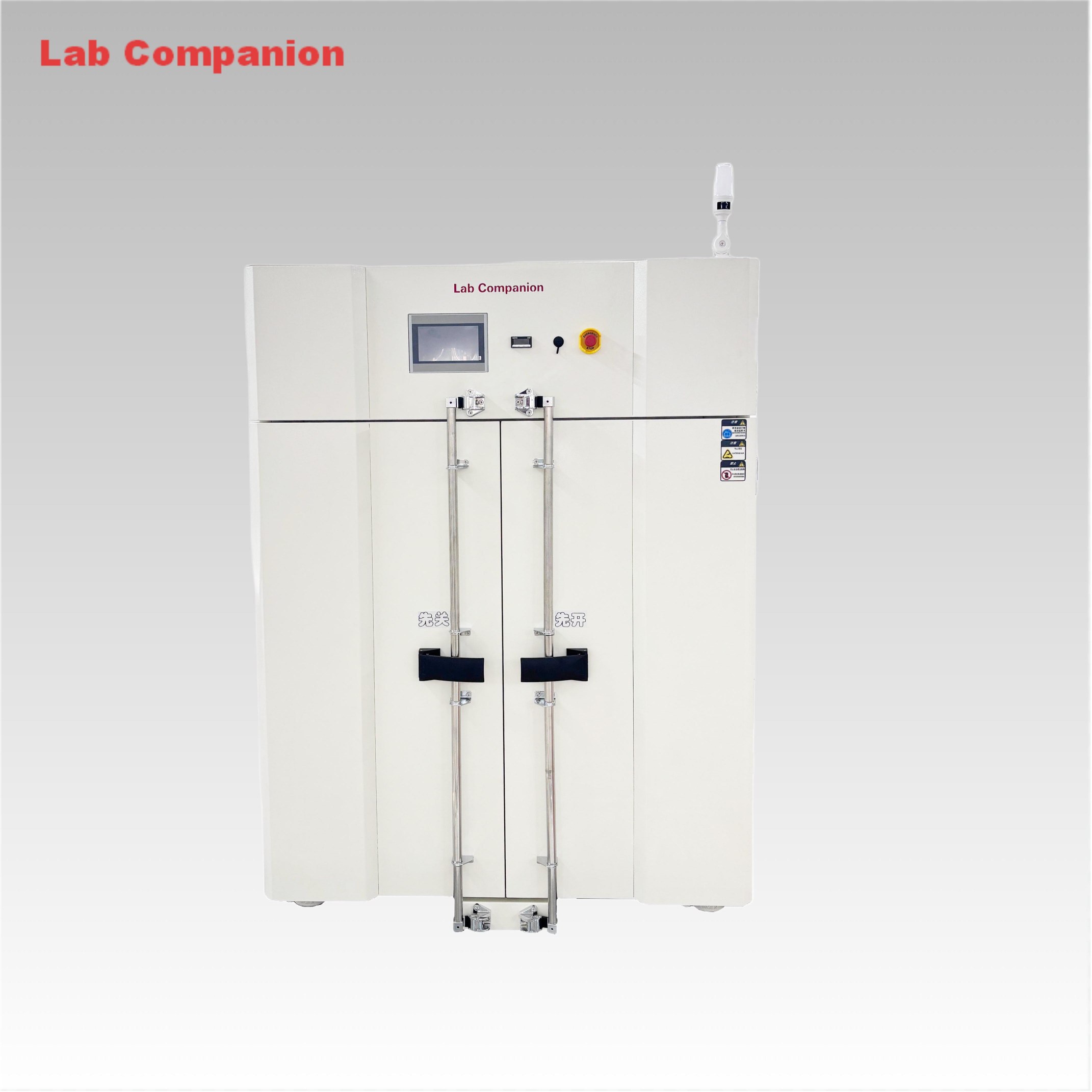
With an internal volume of 1000L, the oven provides extremely spacious inner space, which can easily accommodate a large number of items for simultaneous baking, drying, or heat treatment. It is particularly suitable for industrial production scenarios that require processing large workpieces or batches of samples, as well as commercial kitchens, bakeries, and catering institutions that need to handle high-volume ingredients, effectively improving work efficiency and meeting large-scale production needs.
2. Double-Door Structure
Adopting a double-door opening design, it greatly facilitates the loading and unloading of large-size, heavy, or bulky items, which is more convenient and efficient compared with single-door ovens. At the same time, the double-door structure can reduce the area of heat loss when opening the door, avoid drastic fluctuations in internal temperature, and ensure the stability of the baking or heat treatment process.
3. Precision Temperature Control
Generally equipped with a digital display temperature controller, and high-precision large-size touchscreen controllers are available as options for more intuitive and convenient operation. It adopts high-accuracy temperature sensors to monitor the internal temperature in real time, and combines advanced PID control technology to automatically adjust the heating power according to the temperature difference, ensuring precise temperature control with small temperature fluctuation (usually within a small range), thus guaranteeing the consistency and stability of product quality.
4. Excellent Temperature Uniformity
Equipped with high-wind-volume circulating motors and scientifically optimized air duct design (optional horizontal or vertical air supply mode), the hot air can circulate uniformly in the oven cavity. This design ensures that the temperature of each position in the oven is evenly distributed, effectively avoiding uneven heating caused by local temperature differences, and ensuring that all processed items have the same effect.
5. Multiple Safety Protection Mechanisms
Equipped with an independent over-temperature limiting and alarm system. When the internal temperature exceeds the preset safe value, the system will automatically cut off the heating power and issue an audible and visual alarm prompt to prevent potential hazards caused by overheating. In addition, it is also equipped with multiple safety safeguards such as overload protection, short-circuit protection, and grounding protection, comprehensively ensuring the safety of equipment operation and operators.
6. Reasonable and Durable Structure
The outer shell is made of cold-rolled steel plate, which is treated with powder coating, featuring excellent wear resistance, corrosion resistance, and impact resistance, and has a long service life. The inner chamber is made of high-quality SUS304 or 430 mirror-finish stainless steel, which is non-toxic, harmless, easy to clean, and can resist corrosion from moisture, grease, or chemical substances. The insulation layer adopts high-density aluminum silicate cotton or glass wool, which has excellent thermal insulation performance, can effectively reduce heat loss, save energy, and prevent the outer shell from overheating to avoid scalding.
7. High Customizability
To meet the diverse needs of different industries and processes, the oven supports personalized customization. Customers can customize the temperature range (adjust according to actual process requirements), inner chamber size (adapt to special-sized workpieces or ingredients), and multi-temperature zone design (realize different temperature control in different areas of the oven) according to their specific needs, making the equipment more in line with actual application scenarios.
The core advantages of precision ovens developed by Guangdong Lab Companion lie in their ultra-high temperature control accuracy (within ±0.5℃) and excellent temperature field uniformity. These ovens are specifically designed to meet the strict requirements of scenarios that demand precise temperature management, such as drying, curing, aging, and heat treatment processes in various industries. Below are the key industry applications along with detailed practical cases that demonstrate the ovens’ performance and value:
1. Electronics & Electrical Industry
Core Uses: It is widely applied in the electronics manufacturing process, mainly for PCB board drying (effectively removing moisture from solder paste and substrate to ensure welding quality), aging tests of electronic components (such as capacitors, resistors, and diodes, to verify their service life and stability under long-term operation), and chip packaging curing (providing a stable and precise temperature environment to enhance the adhesion and reliability of chip packaging materials).
Case: An electronics manufacturing enterprise specializing in PCB production adopted Lab Companion’s precision oven set at 100℃ for PCB board drying. The oven achieved a temperature control accuracy of ±0.3℃, which effectively prevented cold solder joints and poor contact caused by damp solder paste during the welding process. As a result, the production efficiency was increased by 20%, and the product qualification rate was significantly improved.
2. Automotive Components Industry
Core Uses: It plays an important role in the production and testing of automotive components, including drying of automotive sensors and connectors (removing surface moisture and volatile substances to ensure electrical conductivity and connection stability), aging tests of rubber seals (simulating long-term high-temperature working conditions to test their aging resistance and sealing performance), and curing of automotive paint coatings (accelerating the curing speed of paint and improving its wear resistance and glossiness).
Case: A leading automotive sensor manufacturer used Lab Companion’s precision oven to conduct 24-hour continuous aging tests on its products at 85℃. The stable temperature environment provided by the oven ensured accurate verification of the sensors’ signal transmission stability and working reliability under high-temperature conditions. After the test, the product pass rate reached 99.5%, effectively reducing the failure rate of finished products in actual use.
3. Advanced Materials Industry
Core Uses: It is an essential equipment in the research and production of new materials, mainly used for curing of composite materials (such as carbon fiber and resin composites, to promote the full reaction of resin and enhance the mechanical strength and structural stability of the materials), film drying (removing solvent and moisture from the film surface to ensure its thickness uniformity and surface flatness), and dehydration of powder materials (reducing the moisture content of powder to meet the storage and processing requirements).
Case: A new materials company engaged in carbon fiber product research and development used Lab Companion’s precision oven set at 120℃ for curing carbon fiber sheets. The oven’s temperature field uniformity reached ±1℃, ensuring that each part of the carbon fiber sheet was cured under the same temperature conditions, thus guaranteeing the consistency of material strength and performance. After adopting this equipment, the product reject rate was reduced by 15%, bringing significant economic benefits to the enterprise.
4. Medical & Biotechnology Industry
Core Uses: It is widely used in medical and biological fields with strict hygiene and precision requirements, including drying of medical devices (such as syringes, catheters, and surgical instruments, to remove moisture and meet sterile standards), dehydration of biological reagents (ensuring the stability and effectiveness of reagents by removing excess moisture), and sample pretreatment (drying and processing test samples to improve the accuracy of experimental results).
Case: A clinical laboratory of a top-grade hospital adopted Lab Companion’s precision oven set at 60℃ for drying disposable medical consumables. The mild and stable temperature environment not only met the strict sterile requirements of medical supplies but also avoided damage to the material properties of the consumables caused by excessive temperature, ensuring their safety and reliability in clinical use.
5. Laboratory & Scientific Research Field
Core Uses: It is an indispensable experimental equipment in universities, research institutes, and enterprise R&D centers, mainly used for sample drying (removing moisture from various experimental samples to facilitate subsequent analysis and testing), thermal stability testing of materials (studying the changes of materials under different temperature conditions to master their thermal performance), and small-scale experimental verification (providing a precise temperature environment for pilot tests of new processes and new products).
Case: A materials science laboratory of a key university used Lab Companion’s precision oven with adjustable temperature range of 40-200℃ to carry out research on the thermal aging rules of plastic materials. The oven’s high temperature control accuracy and stable performance ensured that the experimental data had good repeatability, with a repeatability rate of 98%, laying a solid foundation for the laboratory’s scientific research work.
Key Application Guidelines
1. The temperature should be set reasonably according to the properties of the processed materials: for example, the temperature for plastic materials should not exceed 80℃ to avoid deformation or damage, while metal materials can withstand temperatures above 150℃ as needed.
2. A uniform temperature field is crucial to avoid local overheating of materials or incomplete drying, which directly affects the quality and performance of products or experimental results.
Lab Companion’s precision ovens are mainly suitable for industrial production and scientific research scenarios where the requirements for temperature control accuracy are higher than those of conventional ovens, effectively solving the pain points of inaccurate temperature control in traditional heating equipment.
Equipment selection directly impacts efficiency, quality and data reliability. Standard ovens, precision ovens and temperature-humidity test chambers have distinct functional boundaries and application scenarios. Many enterprises suffer cost waste or functional insufficiency due to improper selection. This guide clarifies selection logic, breaks down matching schemes, avoids common pitfalls and provides precise guidance based on practical scenarios.
1. Core Selection Logic
Adhere to the four-step framework of defining demand types → verifying temperature accuracy → supplementing environmental requirements → matching budget to clarify equipment selection boundaries.
Step 1: Define Demand Types
Choose oven series for process applications (drying, curing, etc.).
Choose temperature-humidity test chambers for environmental reliability verification (extreme temperature variation, humidity exposure).
Note: Ovens lack cooling function and cannot replace test chambers.
Step 2: Verify Temperature Control Accuracy
Standard ovens: Suitable for applications allowing ±5℃ temperature deviation.
Precision ovens: Required for high-precision scenarios (±1℃ tolerance, e.g., electronic packaging, medical sterile drying).
Temperature-humidity test chambers: Ideal for extreme environment testing, with accuracy up to ±1℃ (even ±0.5℃ for premium models).
Step 3: Supplement Environmental Requirements
Ovens: Applicable for ambient temperature heating only.
Temperature-humidity test chambers (including humidity-controlled models): Necessary for low-temperature (-20℃ ~ -70℃), cyclic temperature variation or humidity control (e.g., 85℃/85%RH) applications.
Note: Precision ovens do not support cooling or humidity control functions.
Step 4: Match Budget
Standard ovens (thousands of CNY): For basic drying tasks with limited budget.
Precision ovens (10,000 ~ 100,000 CNY): For processes requiring high precision and stability.
Temperature-humidity test chambers (100,000 ~ hundreds of thousands of CNY): For professional environmental testing; reserve budget for operation and maintenance.
2. Typical Application Scenarios: Demand-Equipment Matching
This section breaks down matching schemes for three key sectors (electronics, automotive, medical & research) to provide intuitive references.
Electronics Industry
Simple component drying (±5℃ tolerance): Standard oven
PCB solder paste curing (±0.5℃ accuracy, ±1℃ uniformity, multi-stage temperature control): Precision oven
Chip cyclic testing (-40℃ ~ 125℃, data traceability required): Temperature-humidity test chamber
Automotive Industry
Basic part drying (±5℃ tolerance): Standard oven
Sensor 24-hour aging test at 85℃ (±0.3℃ accuracy): Precision oven
Battery pack rapid temperature cycling test (-40℃ ~ 85℃): Rapid temperature change test chamber
Medical & Research Industry
Routine consumable drying (±5℃ tolerance): Standard oven
Syringe & catheter sterile drying (±0.5℃ accuracy, clean inner chamber, data traceability): Precision oven with 316 stainless steel enclosure
Plastic material thermal stability study (-30℃ ~ 150℃): Temperature-humidity test chamber
3. Common Selection Pitfalls: Risk Avoidance
Misconceptions often lead to wrong selections. Focus on avoiding these three key pitfalls:
Pitfall 1: Using standard ovens instead of precision ovens
Short-term cost reduction may cause higher product rejection rates and increased long-term costs.
Solution: Always choose precision ovens for applications requiring ±1℃ accuracy; improved yield will offset the incremental cost.
Pitfall 2: Using precision ovens for temperature cycling tests
Ovens lack cooling capability, leading to test failure.
Solution: Directly select temperature-humidity test chambers for low-temperature or cyclic temperature variation tests.
Pitfall 3: Blindly pursuing high-spec test chambers
Results in cost waste and underutilization of functions.
Solution: Select equipment strictly based on actual test parameters to balance demand and budget.
Conclusion
The core of equipment selection lies in precise demand matching. Clarifying demand types and core parameters, combining scenario requirements with budget planning, and avoiding common pitfalls will maximize equipment value, support production quality improvement and boost R&D efficiency.
In industrial processes like electronic component aging, new material curing and precision part drying, equipment temperature control, space utilization and stability directly impact product quality and efficiency. The 86L three-layer compound precision oven, with optimized structure and core technology upgrades, is an ideal choice for balancing mass production and refined processes. This article analyzes its key industrial advantages from core performance perspectives.
I. ±0.5℃ High-Precision Temperature Control, Laying a Solid Foundation for Process Stability
Precision industrial processing has extremely low tolerance for temperature fluctuations; minor deviations may cause product performance degradation or batch scrapping. Equipped with a high-precision PT100 temperature sensor and intelligent PID self-tuning control system, this oven achieves ±0.5℃ precise temperature control from room temperature to 300℃, reducing temperature fluctuation by over 40% compared to traditional equipment. Combined with multi-zone independent heating and optimized air duct design, internal temperature uniformity is controlled within ±1℃, ensuring consistent heating of multi-layer materials and improving yield of processes such as electronic component aging testing and composite curing.
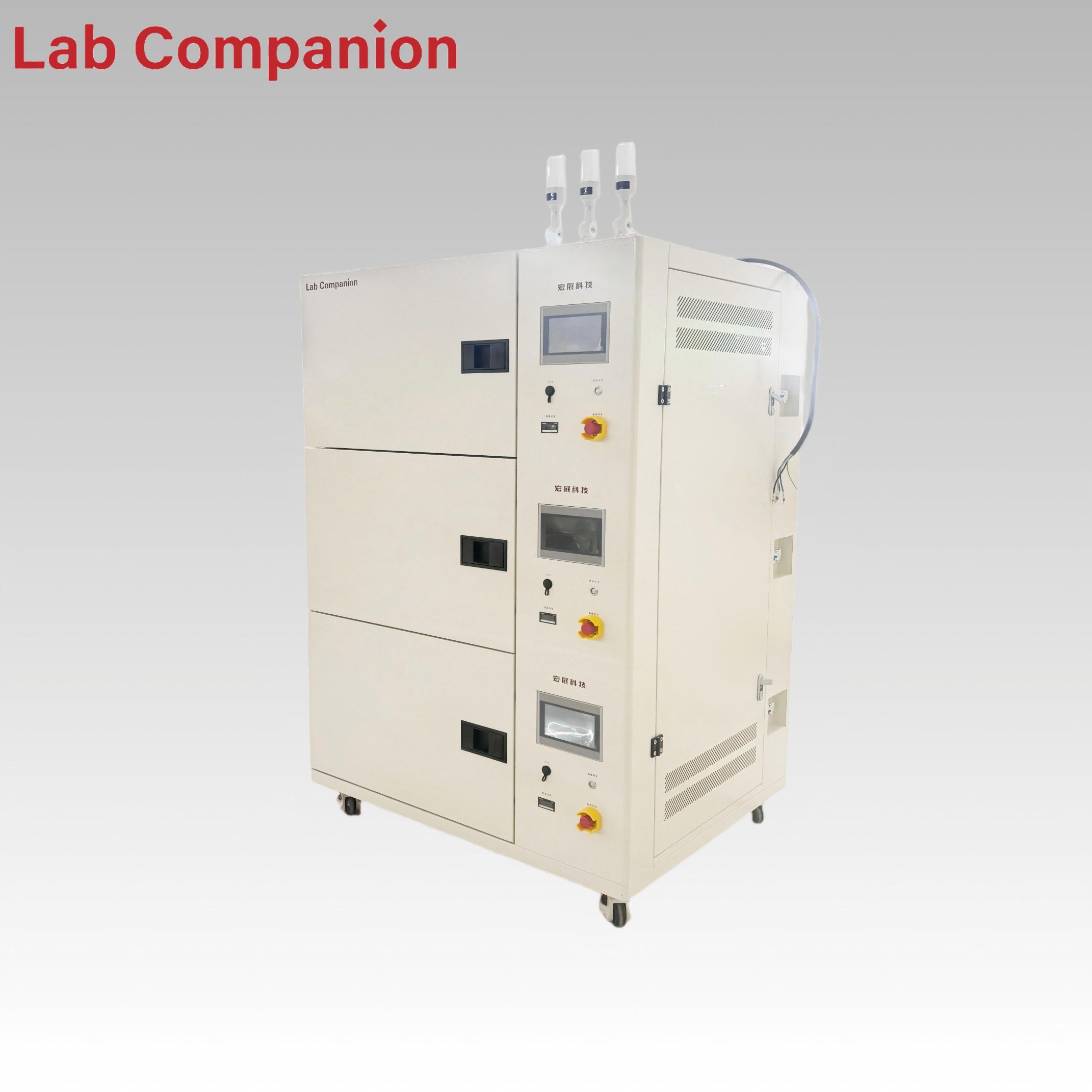
II. Three-Layer Compound Structure + 86L Capacity, Balancing Efficiency and Flexibility
To meet industrial needs of multi-batch, small-batch or same-batch multi-specification processing, the equipment adopts a three-layer independent cavity design. The 86L capacity enables one-time multi-material partition processing. Each cavity supports independent parameter setting (temperature, holding time, etc.), allowing simultaneous same-process batch production or different material drying/curing, greatly improving equipment utilization and reducing multi-category production costs. Detachable shelves enhance space adaptability, fitting processing needs of PCB boards, electronic components, small auto parts and other materials.
III. Efficient Energy-Saving Design, Reducing Long-Term Operating Costs
Long-term energy consumption is a key concern for enterprises. This oven adopts a double-layer stainless steel structure filled with high-density ceramic fiber insulation (thermal conductivity <0.035W/(m·K)) and a sealed door, reducing heat loss and improving insulation by 30% vs. traditional equipment. The intelligent temperature control system dynamically adjusts heating power to avoid ineffective energy use. Equipped with a high-efficiency centrifugal fan for forced hot air circulation, the heating rate reaches 5-10℃/min, shortening preheating time, improving thermal efficiency and significantly reducing long-term electricity costs.
IV. Comprehensive Safety Protection, Ensuring Production Continuity
Safety is critical in industrial production. The equipment has multiple protection mechanisms: over-temperature alarm (auto power-off when exceeding set value by 10-20℃), leakage protection (grounding resistance ≤4Ω), and furnace door safety interlock (immediate heating stop when opened to prevent scalds). It also features motor overload protection and power-off memory (auto recovery of parameters after restart, avoiding material loss from process interruption). High-quality stainless steel inner tank and high-temperature resistant heating tubes ensure stable long-term high-temperature operation (heating element service life >30,000 hours), reducing maintenance and downtime.
V. Intelligent Control, Adapting to Industry 4.0 Production Needs
Equipped with a PLC control system and touch screen interface, the equipment supports storage of over 10 program groups. It can preset complex temperature curves for automatic multi-stage heating and heat preservation, reducing manual errors. Optional RS485/USB interfaces enable real-time temperature data export and remote monitoring, facilitating process tracing and optimization. Simple operation logic reduces training costs, allowing quick mastery by non-professionals and meeting large-scale standardized production requirements.
In summary, with core advantages of precise temperature control, efficient space utilization, energy saving and safety, the 86L three-layer compound precision oven perfectly fits precision processing needs of electronics, automotive and new material industries. Its design balancing production efficiency and process flexibility meets current enterprise needs and adapts to future capacity expansion and product upgrading, serving as a cost-effective solution in industrial precision heating.
1. Reliability Testing of Automotive Sensors
Core Function: Verify performance stability of sensors under extreme temperature conditions, screen defective products, and ensure driving safety.
Specific Applications:
Temperature cycle test: Simulate engine compartment temperature fluctuations of -40℃~150℃ to test sensor signal accuracy and response speed.
High-temperature aging: Sustained 500–1000 hours at a constant temperature of 100–150℃ to accelerate material aging and evaluate long-term reliability.
Damp-heat test: 1000-hour test under 85℃/85% RH environment to verify moisture resistance and circuit stability.
Case: An ABS wheel speed sensor manufacturer adopted precision ovens for high-temperature aging with temperature control accuracy of ±0.3℃, ensuring product detection accuracy of ±0.1km/h and significantly improving overall vehicle safety performance.
2. Curing and Drying of Automotive Electronic Components
Core Function: Ensure firm soldering of electronic components, remove moisture, enhance insulation, and improve product reliability.
Key Applications:
PCB solder paste curing: Precise temperature control at 80–120℃ to ensure uniform and firm soldering and prevent cold solder joints/short circuits.
Electronic module sealing: Curing of sensor potting adhesive to ensure waterproof and dustproof performance.
Wire harness insulation treatment: Remove moisture and enhance insulation to prevent circuit failures.
Case: A vehicle ECU manufacturer used fully sealed precision ovens with temperature control accuracy of ±0.5℃, ensuring stable operation of electronic components under high-temperature and high-humidity conditions and reducing product failure rate by 40%.
3. Aging and Performance Testing of Rubber Seals
Core Function: Evaluate heat resistance of rubber materials, predict service life, and prevent leaks and malfunctions caused by seal failure.
Key Applications:
Hot air aging test: 7–90 days of testing at 70–200℃ to measure hardness change, tensile strength retention rate, and compression set.
Heat resistance evaluation of O-rings/gaskets: Verify temperature resistance of FKM and other materials in fuel systems.
Seal strip aging resistance: 168-hour test of automotive door and window seal strips at 100℃±2℃ to ensure long-term sealing performance.
Case: An automotive engine seal manufacturer used precision ovens for aging tests with temperature uniformity of ±1℃, accurately evaluating material service life and reducing engine oil leakage failure rate by 60%.
4. Coating Curing of Automotive Parts
Core Function: Ensure uniform coating curing, enhance adhesion, wear resistance, and corrosion resistance.
Key Applications:
Headlight cover UV coating curing: 2-hour constant temperature at 80℃ to ensure coating hardness and transparency.
Brake pad adhesive curing: Curing at 150–200℃ to ensure firm bonding between friction materials and back plates.
Automotive wheel hub spray coating curing: Ensure uniform and firm coating to improve appearance and durability.
Case: An automotive lamp manufacturer adopted precision tunnel ovens for UV coating curing with temperature uniformity of ±1℃, increasing production capacity by 50% while ensuring compliance of product light transmittance and hardness.
5. Heat Treatment of Automotive Metal Parts
Core Function: Improve metal microstructure, enhance strength, toughness, and wear resistance to meet stringent requirements of automotive parts.
Key Applications:
Aging annealing of aluminum alloy die castings: 150–250℃ to eliminate internal stress and improve dimensional stability and strength.
Heat treatment of bearings/gears: Improve material microstructure to enhance wear resistance and fatigue strength.
Spring tempering: Precise temperature control to ensure stable elastic performance.
6. Other Key Applications
Interior part shaping: Softening and shaping of seat/instrument panel leather at controlled temperatures to ensure aesthetics and durability.
Composite material processing: Hot-press forming of carbon fiber components to ensure material strength and stability.
Automotive tire production: Preheating before tire vulcanization to ensure molding quality and uniformity.
Precision ovens are widely used in temperature-sensitive scenarios like electronics and laboratories due to their accurate temperature control and uniform temperature field. Correct operation ensures precision and extends service life. Below is the standardized procedure and core precautions.
I. Pre-operation Preparation
1. Equipment Inspection: Confirm no external damage, secure power/grounding connections, intact non-aging sealing strips, and unobstructed vents. For humidification models, check water tank level and replenish distilled water if insufficient.
2. Environment Confirmation: Ensure dry, well-ventilated environment away from flammables, no obstacles blocking heat dissipation. Maintain room temperature 5–35℃, avoiding direct strong light or drastic temperature changes.
3. Material Preparation: Use non-corrosive, non-volatile flammable materials. Select clean, dry suitable carriers (stainless steel trays, quartz boats). Strictly prohibit sealed or fully liquid-filled containers.
II. Core Operating Procedures
1. Startup Initialization: Connect power, turn on main switch, wait for system self-check (3–5 seconds, no display errors). Troubleshoot fault codes per manual before restarting.
2. Parameter Setting:
Temperature: Set target per process, distinguish "working chamber/surface temperature". For precision, refer to internal probe data; fluctuation ±0.5~±2℃ (per equipment precision).
Time: Set constant temperature duration (timing after reaching target; some support heating/constant temperature switching). Confirm 24h mode for continuous operation.
Auxiliary: Set blower speed (avoid material displacement), humidity for humidification/dehumidification models, and multi-stage profiles for programmable models.
3. Material Loading & Startup: Place trays stably with ≥5cm clearance from walls/probes (no air duct blockage). Close door tightly and press "Start" to heat.
4. Operation Monitoring: Monitor display in real time; stop and troubleshoot immediately if over-temperature/alarm. Record internal temperature regularly for precision experiments.
5. Shutdown & Material Retrieval: Wait for internal temperature ≤40℃, retrieve materials with high-temperature gloves. Use rapid cooling function (if available) cautiously for heat-sensitive materials.
6. Shutdown & Finalization: Turn off main power, clean inner chamber, drain water tank (if equipped). Complete operation log (equipment No., parameters, materials, duration).
III. Professional Precautions
Precision maintenance: Calibrate probes 1–2 times/year; replace sealing strips to avoid cold air leakage.
Safety taboos: No flammable, explosive, corrosive materials; no door opening during operation (except door-open constant temperature models); no unauthorized disassembly—contact professional maintenance for faults.
Maintenance: Clean air ducts/heat vents, inspect blower motor; descale humidification tank/tray. Disconnect power, keep dust-free and dry for long-term storage.
Special applications: For ≥200℃, confirm material temperature resistance; for vacuum models, check vacuum/sealing, release pressure slowly to avoid material damage.
Summary
Core principles: accurate setting, strict monitoring, standardized maintenance. Follow procedures for precision and safety. Adjust per manual for different brands/models.
In precision manufacturing fields such as electronics, semiconductors, and aerospace, industrial vacuum ovens are by no means simple "heating equipment". Instead, they have become core equipment for ensuring product quality by virtue of their ultimate control over the environment. Their performance advantages always revolve around "precision temperature control and efficient drying in a vacuum environment", which directly determine the reliability and qualification rate of downstream products.
I. Vacuum Performance: From Environmental Control to Quality Assurance
Vacuum degree is the core indicator of industrial vacuum ovens, which is directly related to drying efficiency and material safety. High-quality equipment can usually achieve a high vacuum degree below 10Pa, and some semiconductor-specific models can even reach the level of 1Pa. This performance brings dual values:
Oxidation Prevention in Low-Oxygen Environment: The oxygen content is greatly reduced in a vacuum state, which effectively prevents heat-sensitive and oxidizable materials (such as positive and negative electrode materials of lithium batteries, precision metal components) from oxidative discoloration and performance degradation during the heating process. It is particularly suitable for the processing of high-strength alloy components in the aerospace field.
Boiling Point Reduction to Accelerate Drying: The vacuum environment significantly lowers the boiling point of solvents. For example, the boiling point of water is only about 55℃ under a vacuum of -0.098MPa, which can quickly remove moisture or organic solvents inside the material at low temperatures. This solves the problem of "surface crusting and internal dampness" in traditional hot air drying, and is especially suitable for moisture removal of electronic components before packaging.
It is worth noting that the stability of the vacuum system is also crucial. Ovens equipped with high-quality vacuum pumps and pressure sensing devices can realize real-time monitoring and automatic compensation of vacuum degree, avoiding process failure caused by vacuum leakage.
II. Temperature Control Performance: Dual Perfection of Precision and Uniformity
The strict temperature requirements in industrial production have promoted the upgrading of vacuum ovens from "rough heating" to "precision temperature control". Their core performance is reflected in two aspects: temperature control precision and temperature uniformity:
1. High-Precision Temperature Control: Equipment adopting a PID closed-loop temperature control system can achieve a temperature control precision of ±1℃, and some high-end models even realize a fluctuation control of ±0.5℃. This precision ensures that the processing conditions of each batch of materials are completely consistent in mass production. For example, in the semiconductor chip packaging process, it can accurately control the melting and solidification temperature of the solder to avoid cold soldering problems.
2. Whole-Domain Temperature Uniformity: Through the distributed layout of multiple heating tubes and the optimized design of hot air circulation, the temperature dead zones in the oven are effectively eliminated. The temperature difference between various points in the working chamber is usually ≤±3℃. For special-shaped materials such as large-area PCB boards and photovoltaic modules, a uniform temperature field can avoid deformation caused by local stress concentration.
III. Efficiency and Adaptability: Meeting Industrial Production Needs
The high productivity requirements in industrial scenarios require vacuum ovens to balance efficiency and flexibility while ensuring performance:
• Rapid Temperature Rise and Fall: Equipment equipped with stainless steel heating tubes and high-efficiency thermal insulation layers can achieve a heating rate of 5-10℃/min. During the cooling stage, the combination of vacuum bubble breaking and forced air cooling greatly shortens the processing time of a single batch, adapting to the fast-paced production in the electronics industry.
• Multi-Specification Adaptability: From small laboratory-level chambers (below 50L) to large tunnel-type vacuum ovens for production lines (with a volume of over 1000L), selections can be made flexibly according to material sizes. Some equipment also supports customized layered shelves and explosion-proof designs to meet the needs of special industries such as chemical engineering and military industry.
IV. Stability and Intelligence: Invisible Guarantee for Industrial Production
In continuous production, the stability of equipment directly affects productivity. Modern industrial vacuum ovens are generally equipped with:
• Multiple Safety Protections: Devices such as over-temperature alarms, abnormal vacuum shutdown, and door lock interlock avoid safety accidents caused by operational errors.
• Intelligent Control: The touch screen operation interface supports process parameter storage (10-20 groups of formulas can be preset). Some models can be connected to the MES system to realize real-time upload and remote monitoring of production data, reducing the cost of manual intervention.
In conclusion, the core performance of industrial vacuum ovens lies in "achieving a precise balance between temperature and efficiency based on a vacuum environment". In today's era where precision manufacturing is increasingly dependent on process stability, selecting a vacuum oven that adapts to one's own productivity and material characteristics is not only the key to improving product quality, but also an important part for enterprises to build core competitiveness.
As core industrial equipment for precise temperature control, drying and curing, precision ovens’ operational stability directly impacts product quality and production efficiency. Scientific maintenance extends service life and ensures process parameter accuracy. Below are key methods divided into daily basic maintenance and regular in-depth maintenance.
I. Daily Basic Maintenance: Safeguard Fundamental Operation
Daily maintenance, the first line of stable operation defense, is performed before startup, during operation and after shutdown—simple yet critical.
1. Comprehensive Cleaning: Eliminate Impurities
Wipe the oven cavity, shelves and door seal daily to remove debris, dust, cured stains or oil. Use neutral detergent and a clean cloth to avoid cavity corrosion. Regularly clean the exterior and heat dissipation holes for unobstructed heat dissipation.
2. Parameter & Safety Checks: Ensure Accuracy and Safety
Verify that temperature controller, timer and other parameters match process requirements before startup, and check for stable display without drift. Inspect door interlock sensitivity, power cords, heating tube terminals and cooling fan for abnormalities. Confirm emergency stop buttons and over-temperature protection devices function properly to eliminate hidden dangers.
3. Standardized Operation: Reduce Human-induced Wear
Avoid overloading workpieces and ensure proper spacing for hot air circulation to prevent local overheating. Follow the manual for temperature rise/drop—no sudden startup/shutdown or drastic adjustments to avoid furnace cracking. Turn off main power only when temperature drops below 50℃ to extend heating element life.
II. Regular In-depth Maintenance: Enhance Core Performance
Recommended monthly or quarterly, regular maintenance focuses on core components and requires professional technicians.
1. Heating & Circulation System Overhaul: Ensure Efficiency
Inspect heating tubes for oxide layers, scale or abnormal resistance (replace if needed), and clean/fasten junction box terminals with insulating grease. Disassemble fan impellers to remove dust and oil, lubricate bearings, replace damaged seals and adjust air duct baffles for uniform hot air circulation.
2. Temperature Control Calibration: Improve Accuracy
Calibrate temperature sensors with a standard thermometer—adjust parameters or replace sensors if deviation is excessive. Inspect signal transmission lines for interference or poor contact. Verify multi-stage heating curve accuracy for programmable ovens.
3. Furnace Structure Maintenance: Extend Service Life
Check insulation layers for damage and refill insulation material if heat dissipation is abnormal. Replace aged or deformed door seals. Repair the cavity’s high-temperature resistant coating to prevent rusting.
Mengapa Anda Harus Mengungsi Sebelum Pemanasan di Oven Pengering Vakum? 1) Lindungi Pompa Vakum:Jika Anda memanaskan oven sebelum mengeluarkan isinya, udara panas akan dikeluarkan oleh pompa vakum. Proses ini memindahkan panas ke pompa, yang berpotensi menyebabkannya menjadi terlalu panas. Terlalu panas dapat mengurangi efisiensi pompa vakum dan bahkan dapat merusaknya. 2) Mencegah Kerusakan pada Pengukur Vakum:Jika memanaskan oven terlebih dahulu, udara panas akan diarahkan ke Pengukur Vakum dan menyebabkan instrumen ini menjadi terlalu panas. Jika suhu melebihi batas operasional pengukur, hal itu dapat menyebabkan pembacaan yang tidak akurat atau kerusakan permanen. 3) Menghindari Bahaya Keselamatan:Material yang diuji ditempatkan di ruang vakum yang dapat mengeluarkan gas yang terekstraksi dari material tersebut. Jika material yang diuji dipanaskan terlebih dahulu, gas akan mengembang saat terkena panas. Karena penyegelan ruang vakum yang sangat baik, tekanan besar yang dihasilkan oleh gas yang mengembang dapat menyebabkan kaca tempered pada jendela observasi pecah. Prosedur yang benar adalah dengan mengosongkan udara terlebih dahulu, baru kemudian memanaskannya. Jika tingkat vakum turun setelah mencapai suhu yang diinginkan, Anda dapat mengosongkannya kembali sebentar. Metode ini membantu memperpanjang masa pakai peralatan. Kesimpulan:Untuk memastikan keamanan, menjaga efisiensi peralatan, dan memperpanjang masa pakai oven pengering vakum, selalu ikuti prosedur yang benar: keluarkan udara terlebih dahulu, baru panaskan. Langkah sederhana ini dapat mencegah potensi bahaya dan kerusakan yang mahal.






 Dapatkan Penawaran
 Jaringan IPv6 didukung